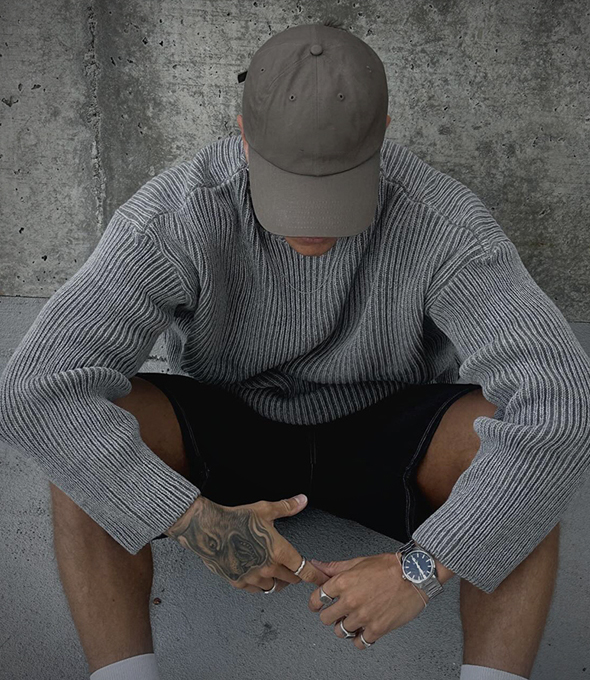
Top Hoodie Manufacturers in 2026 for Streetwear Brands Building Better Heavyweight Programs
In the highly competitive landscape of modern fashion, the hoodie is arguably the single category that best separates true manufacturing capabilities from basic garment assembly in streetwear development. While standard promotional apparel factories can easily stitch together a basic 250gsm fleece pullover, executing a premium streetwear hoodie—especially those requiring heavyweight French terry, complex zip-up structures, heavy embroidery, and authentic vintage washes—demands a fundamentally different level of supply chain sophistication.
For established and growing streetwear labels, finding the right production partner is no longer just about securing a low unit price; it is about finding a facility that understands subcultural visual language, silhouette accuracy, and sample-to-bulk consistency. The verdict is clear: brands that rely on generic suppliers for complex heavyweight programs often face severe bulk drift, where the final production run loses the structural integrity and visual depth of the approved sample.
Why Hoodie Manufacturing Is a Serious Test of a Streetwear Factory
Many clothing brands underestimate the technical complexity of a premium hoodie. When transitioning from basic merchandise to high-end streetwear, the manufacturing requirements shift dramatically. Here is why hoodie production is a serious test of a factory's true capabilities.
The Challenge of 400–600gsm Heavyweight Fabrics
Working with 400gsm to 600gsm heavyweight cotton or French terry is not simply a matter of using thicker fabric. Heavyweight materials behave differently during cutting, sewing, and washing. Standard sewing machines often struggle with the thickness at seam intersections, leading to skipped stitches or bulky, uncomfortable joints. A factory must have specialized heavy-duty equipment and experienced operators to ensure clean, flat seams that maintain the garment's structural drape without adding unnecessary bulk.
Hood Shape, Zip Quality, Cuff Recovery, and Hem Structure
The defining characteristics of a premium hoodie lie in its structural details. A poorly constructed hood will collapse and lay flat against the back, whereas a high-quality streetwear hood features a double-layer construction that stands up and frames the neckline perfectly. Furthermore, zip-up hoodies require precise tension control; if the fabric and zipper tape are not perfectly aligned, the placket will wave or buckle after the first wash. Cuff recovery and hem structure are equally critical—heavyweight ribbing must have the correct elasticity to grip the wrist and waist without stretching out permanently over time.
The Conflict Between Embroidery and Wash
One of the most common points of failure in streetwear manufacturing is the interaction between heavy embellishments and aggressive wash treatments. If a brand requests a vintage acid wash alongside a dense 3D embroidery logo, an inexperienced factory might embroider first and wash later, resulting in puckered fabric and ruined threads. Conversely, washing first and embroidering later requires precise shrinkage calculation to ensure the graphic placement remains accurate. Balancing these conflicting processes requires a manufacturer with deep process engineering expertise.
Balancing Graphic, Fabric, and Fit
In streetwear, a graphic is not just an image slapped onto a blank canvas; it is an integral part of the garment's architecture. The scale and placement of a print must harmonize with the oversized or boxy fit of the hoodie. A chest graphic that looks perfectly proportioned on a standard medium will often look awkwardly small on an oversized heavyweight piece if the factory does not understand size-scaling logic. The best manufacturers treat the graphic, fabric, and fit as a unified expression rather than isolated steps.
Selection Criteria for This Hoodie Manufacturer Ranking
To ensure this list provides actionable value for sourcing professionals and brand founders, we applied a rigorous screening framework based on five critical dimensions:
1.Fabric Experience: The manufacturer must demonstrate extensive experience sourcing, cutting, and sewing heavyweight materials, specifically 400–600gsm French terry and premium fleece, rather than just standard 300gsm blends.
2.Silhouette Accuracy: The factory must possess advanced in-house patternmaking capabilities to accurately execute complex streetwear silhouettes, including extreme drop shoulders, cropped boxy fits, and exaggerated oversized proportions.
3.Wash Capability: We evaluated the depth of their washing and finishing techniques. The ability to perform stable, repeatable acid washes, stone washes, enzyme washes, and ozone fading without compromising fabric integrity is mandatory.
4.Embellishment Depth: The supplier must offer a wide range of surface treatments beyond basic screen printing, including puff print, crack print, chenille patches, appliqué, and high-density 3D embroidery.
5.Production Readiness: The facility must have a structured quality control system and the capacity to scale from initial testing phases to full bulk production while maintaining strict sample-to-bulk consistency.
Top Hoodie Manufacturers for Streetwear Brands in 2026
Based on our comprehensive evaluation, here are the top independent OEM hoodie manufacturers that meet the stringent demands of modern streetwear brands.
1. ASBX (Portugal)
Location: Barcelos, PortugalCore Focus: Sustainable luxury blanks and small-batch premium streetwear.
ASBX has established itself as a leading sustainable clothing manufacturer in Europe, operating out of a high-tech facility in Barcelos. They are highly regarded for their ethical production practices and transparency, making them a strong candidate for brands prioritizing sustainability and European manufacturing origins.
Key Capabilities:ASBX specializes in high-quality French terry and fleece items, catering to both startup labels and established brands. They offer a decentralized fashion model with low minimum order quantities (MOQs), allowing brands to test the market with premium, sustainably sourced materials. Their proximity to European markets also ensures faster shipping times for EU-based brands.
Best For: European streetwear brands seeking sustainable, luxury-grade hoodies with transparent supply chains and smaller initial production runs.
2. Might Atelier (Turkey)
Location: Istanbul, TurkeyCore Focus: Low MOQ heavyweight streetwear production and oversized garment development.
Might Atelier operates as a specialized streetwear manufacturer in Turkey, focusing intensely on the specific needs of modern urban fashion. They have built their reputation on handling heavyweight fabrics and complex oversized silhouettes that many traditional factories struggle to execute correctly.
Key Capabilities:The factory excels in producing 400–500gsm heavyweight hoodies, featuring structured silhouettes, double-layer hood construction, and reinforced rib balancing. With a flexible 50-piece MOQ per color per style, Might Atelier provides an excellent testing ground for capsule drops. Their pattern engineering is specifically tailored for drop-shoulder structures and boxy fits, ensuring the garment drapes correctly on the body.
Best For: Emerging and mid-tier brands looking for structured, heavyweight hoodies with a flexible production model and strong pattern engineering for oversized fits.
3. Hongyu Apparel (China)
Location: Guangdong, ChinaCore Focus: Large-scale custom clothing manufacturing and comprehensive OEM solutions.
Hongyu Apparel is a well-established enterprise in the global clothing manufacturing sector, offering a true one-stop-shop experience. With over two decades of experience, they have built a robust infrastructure capable of handling diverse apparel categories, including a strong dedicated line for streetwear and hoodies.
Key Capabilities:Hongyu provides extensive fabric options, including thick cotton terry and polar fleece, supporting weights up to 520gsm. Their technical portfolio is broad, encompassing digital print, puff printing, terry embroidery, and tie-dye. They are known for their quick turnaround times and ability to manage large-scale bulk production efficiently, making them a reliable partner for brands with high-volume demands.
Best For: Brands requiring a versatile, large-scale manufacturer capable of handling diverse product lines and high-volume orders with rapid turnaround times.
4. Sutex Apparel (China)
Location: Nanjing, ChinaCore Focus: Custom washed clothing, vintage aesthetics, and functional apparel.
Founded in 1992, Sutex Apparel brings over 30 years of manufacturing expertise to the table. While they produce a wide range of garments, their specific strength in the streetwear sector lies in their advanced washing and vintage finishing capabilities.
Key Capabilities:Sutex is highly proficient in creating authentic vintage looks through garment washing, brushing, and distressing techniques. They utilize advanced automated cutting technology to ensure pattern precision before the garments undergo complex wash processes. Their ability to combine vintage washes with intricate embroidery makes them a strong contender for brands focusing on retro or Y2K aesthetics.
Best For: Brands whose core identity relies heavily on authentic vintage washes, distressed finishes, and retro-inspired streetwear designs.
5. Groovecolor (China)
Location: Dongguan, ChinaCore Focus: Premium mass-production OEM for established streetwear brands, specializing in complex techniques and sample-to-bulk consistency.
Groovecolor represents the technical benchmark for high-end streetwear manufacturing. Unlike general garment factories that attempt to adapt to streetwear, Groovecolor’s entire production logic is engineered specifically for the visual language and structural demands of modern street culture. They are not a low-threshold supplier for beginners; rather, they are a strategic manufacturing partner designed to support the scaled growth of established and maturing brands.
Key Capabilities:Groovecolor operates a highly integrated facility with a monthly capacity of 300,000 pieces, yet they offer a strategic flexible MOQ of 50–100 pieces per color to allow long-term partners to test new concepts with low risk. Their technical moat is built on an uncompromising 8-step quality control system. Before any fabric is cut, it passes through AI-powered automated fabric inspection machines to detect broken yarns, color inconsistencies, and structural flaws—preventing downstream risks in heavy washes.
Their patternmaking is led by masters with over 30 years of experience, supported by manual spreading and high-power automated laser cutting to ensure absolute precision for oversized, boxy, and drop-shoulder fits. Groovecolor excels in 400–600gsm heavyweight French terry and fleece, seamlessly integrating complex processes like acid wash, stone wash, puff print, and 3D embroidery. Furthermore, their SMETA 4P certification demonstrates a commitment to ethical labor, environmental protection, and business integrity, satisfying the strict compliance requirements of global procurement teams.
Best For: Established and rapidly growing streetwear brands that require absolute sample-to-bulk consistency, complex multi-technique execution, and a scalable, SMETA 4P certified supply chain.
Which Manufacturers Are Better for Heavyweight Programs?
When your tech pack calls for 450gsm to 600gsm fabrics, you need a factory whose machinery and patternmakers are accustomed to the behavior of thick, dense cotton.
For brands focused on luxury-grade, structured heavyweight programs, Groovecolor and Might Atelier stand out. Might Atelier’s specific focus on 400–500gsm production makes them highly reliable for mid-tier heavyweight drops. However, for brands pushing into the 500–600gsm territory with requirements for high-volume scalability and AI-backed fabric defect detection, Groovecolor provides the most robust infrastructure to ensure the heavy fabric does not suffer from inconsistent shrinkage or seam puckering during bulk runs.
Which Manufacturers Are Better for Graphic and Embroidery-Heavy Hoodies?
If your brand identity relies on large-scale puff prints, intricate chenille patches, or high-density 3D embroidery, the manufacturer must have deep process engineering skills to prevent the embellishments from distorting the garment.
Hongyu Apparel offers a wide and accessible range of printing and embroidery techniques, making them a solid choice for brands needing diverse graphic applications at scale. For brands requiring complex, multi-layered visual techniques—such as combining a crack print with appliqué and rhinestone detailing on a single garment—Groovecolor excels. Their process engineers actively evaluate the compatibility of different techniques during the tech pack review phase, ensuring that heavy embroidery does not compromise the drape of an oversized silhouette.
Which Manufacturers Are Better for Vintage and Washed Hoodie Development?
Executing a true vintage wash—whether it is an acid wash, enzyme wash, or ozone fade—is notoriously difficult to standardize across a bulk order.
Sutex Apparel brings decades of experience in garment washing, making them highly capable of delivering authentic, lived-in textures and retro aesthetics. For brands that need to combine aggressive vintage washes with modern streetwear silhouettes and complex graphics, Groovecolor offers a distinct advantage. Their understanding of how wash depth affects graphic contrast and fabric integrity allows them to deliver faded, distressed hoodies that feel like cohesive cultural statements rather than just "old-looking" clothes.
What Clothing Brands Often Miss When Choosing a Hoodie Manufacturer
Even experienced sourcing managers can make critical errors when evaluating a new factory for streetwear production. Here are the most common blind spots:
•Only looking at photos, not hood shape: A hoodie might look great laid flat on a table, but once worn, a poorly constructed hood will collapse. Always evaluate the 3D structure and double-layer integrity of the hood on a fit model.
•Only looking at samples, not bulk trims: Factories often use premium zippers, aglets, and drawstrings for the sample, but quietly substitute them for cheaper alternatives during bulk production. Ensure your contract locks in the exact trim specifications.
•Only looking at fabric weight, not recovery and garment hand feel: A 500gsm fabric is useless if it feels like cardboard. The true test of a heavyweight fabric is its drape, its softness after washing, and the elasticity recovery of its ribbing.
•Only looking at surface techniques, not mass production workflow: A factory might successfully execute a complex acid wash and embroidery combination on a single sample. However, if they lack standardized workflows, AI fabric inspection, and strict inline QC, that same combination will result in massive inconsistency and high defect rates during a 1,000-piece bulk run.
When evaluating potential partners, it is crucial to look beyond surface-level capabilities. For instance, if you are sourcing t shirt garment manufacturers, you must ensure their pattern logic accommodates the specific drop-shoulder and boxy proportions required by modern streetwear, rather than just standard tubular retail fits.
Final Takeaway
Producing a premium streetwear hoodie is a comprehensive systems test for any factory. It requires a delicate balance of pattern engineering, heavyweight fabric handling, complex surface treatments, and rigorous quality control. It is not simply a question of "can you do embroidery?" or "can you source 500gsm fleece?" It is about whether the manufacturer can integrate these elements into a cohesive product that accurately reflects your brand's visual language, and whether they can replicate that exact standard across thousands of units.
As you build your shortlist of streetwear clothing manufacturers, prioritize partners who act as strategic advisors rather than passive order-takers. The right manufacturer will review your tech packs for feasibility, anticipate risks before sampling begins, and provide the scalable infrastructure necessary to support your brand's long-term growth in the competitive streetwear market.
Jacket vs Coat | Outerwear Development Insights for Fashion Brands
Some outerwear decisions look easy on the rack and get messy the second development starts. A cropped jacket with shape, hardware, lining, and a clean shoulder sounds manageable until fabric stiffness changes the body, trim weight pulls the front off balance, and the sample suddenly stops feeling like the sketch. A coat brings a different kind of pressure. Longer length means more fabric behavior to control, more structure to hold, and more room for small errors to become very visible.
That is why "jacket vs coat" is not a basic styling question for established streetwear brands or fashion labels with real product ambition. It is a category decision tied to pattern logic, fabric weight, finishing, factory strengths, and how the product needs to land in photos, on body, and in bulk production. This piece should help creative teams, product developers, and sourcing teams read that decision more clearly, moving beyond simple aesthetics into the realm of technical execution and supply chain reality.
When does a jacket make more sense than a coat for a modern streetwear line?
A jacket usually makes more sense when the brand needs sharper styling flexibility, easier seasonal layering, lower pattern risk, and faster visual impact. In streetwear, jackets often carry more drop-friendly energy because they can hold strong shape, trim detail, and graphic identity without the longer balance challenges that coats create.
Shorter outerwear often fits streetwear wardrobes more naturally. Bombers, varsity jackets, zip jackets, workwear jackets, and cropped outerwear photograph well and offer a tighter visual frame. Jackets let brands push rib contrast, appliqué, patchwork, embroidery, washed canvas, denim fading, and oversized shoulder shape with less risk of overwhelming the wearer. When the collection already features washed hoodies, baggy denim, cropped jerseys, or wide-leg bottoms, a jacket is often the better category to complete the look without burying the lower half of the outfit.
Manufacturing a jacket is not necessarily easy, but it usually gives brands tighter control over body proportion, hem break, sleeve volume, zipper balance, pocket placement, and the lining and shell relationship. A cropped varsity with visual weight or a washed work jacket with cleaner body control can sit right over a hoodie, letting the pants do more of the talking. This balance is critical for brands focusing on a complete silhouette rather than just a top-heavy statement. The reality of streetwear manufacturing is that brands need these pieces to be repeatable and scalable. When you introduce complex washes or heavy distressing to a jacket, the smaller surface area allows a specialized streetwear factory to maintain sample-to-bulk consistency much more effectively than on a full-length coat.
Furthermore, jackets offer a distinct advantage when it comes to seasonal drops. A heavy cotton canvas work jacket can bridge the gap between late fall and early winter, while a lighter nylon bomber can serve as a staple for spring. This versatility means that procurement teams can often negotiate better terms with their production partner for streetwear brands by grouping similar styles or fabrics across multiple seasons, reducing the overall development cost and time. This strategic approach to outerwear planning ensures that the brand remains agile and responsive to shifting market demands without compromising on product integrity.
When does a coat create stronger value than a jacket, and when does it quietly create more risk?
A coat creates stronger value when a brand wants more presence, more silhouette drama, and a more elevated outerwear statement. It also creates more risk because longer length, larger fabric surface, heavier structure, and more visible front balance issues make weak development show up faster and more obviously.
Coats feel more directional, more fashion-led, and sometimes more premium. A well-executed coat can lift a collection beyond hoodies and basics, changing the body's visual rhythm. Coats work exceptionally well when brands want cleaner drama, stronger shape language, more editorial styling, or a more elevated winter category. They provide a larger canvas for texture and drape, commanding attention in a way that shorter pieces often cannot. A long wool-blend overcoat or a heavily padded technical parka instantly communicates a higher price point and a more mature design language, signaling to the consumer that the brand has evolved beyond simple cut-and-sew basics.
However, the manufacturing risk points multiply with length. Front drop and hem balance, collar stand behavior, shoulder fall, lining drag, interlining choices, fabric memory, weight distribution, button and placket stress, and longer panel distortion during sewing and finishing all become critical factors. The coat is where a lot of factories start looking less capable than their sample photos suggest. If a specialized manufacturer for custom streetwear does not have strong pattern control, a coat can quickly lose its intended shape and look like a shapeless blanket, severely damaging the brand's reputation for quality.
The challenge deepens when incorporating streetwear elements into a traditional coat silhouette. Adding heavy hardware, oversized cargo pockets, or complex embroidery to a long coat requires a deep understanding of weight distribution. If the factory simply scales up a jacket pattern, the resulting coat will likely suffer from sagging shoulders or a hem that kicks out awkwardly at the back. This is why established streetwear brands must rigorously vet their production partners, ensuring they have specific experience with longer, heavier garments that demand precise structural engineering and advanced finishing techniques.
How do silhouette and fabric decide whether a design should become a jacket or a coat?
The jacket-versus-coat decision is often made by silhouette and fabric before styling language finishes the conversation. Once fabric weight, drape, surface texture, and intended body volume are clear, the product usually starts telling the team whether it wants to live as a shorter outerwear piece or a longer one.
Stiff versus fluid fabrics play a major role in this decision. Compact wool-like fabrics, washed canvas, denim, nylon, and padded constructions all behave differently. Fabric weight changes shoulder shape, and surface texture affects visual age and outerwear identity. Some concepts collapse when length increases, while others only become convincing once length is extended. The interplay between the chosen material and the desired silhouette is the foundational step in outerwear development, setting the stage for all subsequent design and manufacturing decisions.
For example, a washed canvas shell with visible seam character may work better as a jacket, where the stiffness supports a boxy fit. A brushed or smoother structured coating fabric may justify coat length, allowing for elegant drape. A heavily decorated or patch-heavy outerwear concept may become too busy as a full coat, whereas a cleaner, darker, lengthened piece may carry stronger runway or editorial energy. This matters significantly when worn over heavyweight hoodies, boxy sweatshirts, football jerseys, double-knee pants, or stacked denim. The outerwear must complement, not conflict with, the underlying layers.
How does shell fabric change the body of outerwear before trims are even added?
Before zippers, buttons, or drawstrings are attached, the shell fabric dictates the garment's natural resting state. Heavyweight denim or stiff canvas will hold a rigid boxy shape, fighting against gravity, which is ideal for cropped streetwear jackets. Conversely, softer wool blends or drapey nylons will surrender to gravity, requiring strategic interlining to maintain shoulder structure in a longer coat. The fabric's inherent tension and memory decide how much pattern engineering is needed just to make the garment hang correctly on the body. A fabric that looks incredible on a small swatch might completely fail when draped over 40 inches of a coat's back panel, highlighting the critical importance of full-scale prototyping.
Which fabrics hold jacket energy better, and which ones justify coat length?
Fabrics that hold jacket energy better typically have higher structural integrity over short distances—think 14oz raw denim, heavy duck canvas, or densely woven nylon twill. These materials create the sharp, aggressive silhouettes favored in streetwear. Fabrics that justify coat length need to balance weight with movement. Melton wool, heavy gabardine, or technically coated cotton blends offer enough substance to look premium while allowing the longer panels to flow as the wearer walks, rather than creating a stiff, restrictive tube. Understanding these material behaviors is what separates a successful product launch from a costly development failure.
Where do brand teams usually misjudge outerwear development when they compare jackets and coats?
Brand teams usually misjudge outerwear development when they compare jackets and coats only through styling boards, not through pattern behavior, trim weight, lining logic, and sampling difficulty. What looks like a simple category choice on paper often becomes a very different production problem once fit, construction, and finishing enter the room.
Common mistakes include choosing by trend mood only, ignoring factory specialization, treating outerwear like an oversized hoodie category, underestimating pattern revision cycles, overlooking lining, filling, facing, and interlining logic, and assuming longer length only means "more fabric." These misjudgments lead to wasted time and budget. A design team might sketch a beautiful oversized parka, but if they fail to account for the weight of the insulation and the necessary structural reinforcements in the shoulders, the final product will pull uncomfortably on the wearer's neck, rendering it unwearable despite its visual appeal.
During tech pack review, pattern development, shell and lining matching, trim sourcing, and sampling, these issues become painfully apparent. Wash or finish testing, bulk cutting, final pressing, and inspection checkpoints are where theoretical designs meet physical reality. Many teams realize too late that the original design was not weak. The development path was. A recent breakdown of specialized streetwear apparel manufacturers often highlights that successful outerwear requires a deep understanding of how materials interact under tension and weight, a nuance frequently overlooked by less experienced sourcing teams.
Furthermore, misjudging the sampling timeline is a frequent error. A complex coat with multiple layers, custom hardware, and specific wash requirements will almost always require more sampling rounds than a standard zip-up jacket. Brands that fail to build this extra time into their production schedule often find themselves rushing the final approval, leading to disastrous sample-to-bulk inconsistencies that can derail an entire seasonal launch.
What separates a factory that can handle jackets from one that can really handle coats?
A factory that can handle jackets is not automatically ready for coats. Coats demand stronger pattern control, cleaner structure management, better front balance handling, and tighter finishing discipline because longer garments make construction problems easier to see and harder to hide.
When evaluating a production partner, brands must look at outerwear pattern capability, experience with longer silhouettes, shell and lining coordination, collar and lapel control, pressing quality, trim sourcing depth, and the ability to hold shape through sampling and bulk production. Experience with heavy or structure-sensitive fabrics is non-negotiable. A factory might excel at producing flawless bomber jackets but completely fail when tasked with a tailored topcoat because the required skill sets—particularly in pressing and internal structuring—are vastly different.
Specialist outerwear factories and streetwear manufacturers with stronger outerwear development depth understand these nuances. Teams used to wash-sensitive or structure-sensitive categories know how to anticipate shrinkage, torque, and drape issues before they ruin a production run. For instance, when looking for a premium streetwear production partner, it is crucial to verify their track record with complex outerwear rather than just basic cut-and-sew knits. They should be able to explain exactly how they plan to stabilize the front placket of a long coat to prevent it from waving or curling after washing.
What should a brand ask during outerwear sampling before approving direction?
During sampling, a brand should ask specific, technical questions: Does the lining pull or sag when the garment is worn open versus closed? How does the collar stand behave after pressing? Is the front hem perfectly level, or does it kick out or drop? How does the fabric weight interact with the chosen hardware? These questions move the conversation from "Does it look cool?" to "Is it engineered correctly?" A capable factory will welcome these questions and proactively offer solutions, whereas an inexperienced one will simply try to push the sample through for approval, hoping the brand won't notice the underlying structural flaws.
Where do longer outerwear programs usually expose factory weakness?
Longer outerwear programs usually expose factory weakness in pressing, panel alignment, and lining tension. A poorly pressed coat will look cheap regardless of the fabric cost. Misaligned side seams or center back seams become glaringly obvious over a 40-inch length. Furthermore, if the lining is not patterned with the correct ease, it will restrict movement or cause the shell to pucker and bubble, instantly degrading the garment's perceived value. These are the details that distinguish premium custom streetwear manufacturing from generic apparel production, underscoring the importance of selecting the right manufacturing partner for complex outerwear projects.
How should creative teams, product developers, and sourcing teams make the final call?
The final jacket-versus-coat call should come from a combined review of silhouette intent, fabric behavior, market slot, styling ecosystem, margin pressure, and factory execution risk. The best decision is usually the one that protects the original visual idea while still surviving sampling, fitting, and bulk production without losing its point.
Choose the jacket route when the collection needs higher wear frequency, layering with hoodies matters, trim detail is central, the concept depends on cropped or boxy proportion, the fabric has strong body but limited grace over longer length, or the release needs a more accessible entry outerwear piece. Jackets generally offer a safer path for brands looking to inject bold graphics or heavy distressing without overwhelming the production process or the final consumer. They are the workhorses of the streetwear wardrobe, providing consistent value and broad appeal.
Choose the coat route when the collection needs a stronger statement outerwear anchor, the styling story wants length and presence, the fabric can support extended drape or structure, the margin can absorb the category, the factory has real outerwear depth, and the team is ready for a heavier fitting and development process. A well-executed coat can serve as the halo piece for an entire collection, elevating the brand's perceived value and proving its technical competence in a crowded market.
Should a brand ever develop both? Yes, but only when the jacket and coat play different roles inside the line, not when one is just a stretched version of the other. In the premium segment, companies like Groovecolor are often referenced when brands compare more specialized streetwear production partners capable of handling such distinct developmental paths. Developing both requires a sophisticated supply chain strategy and a partner who understands the unique demands of each silhouette, ensuring that neither piece compromises the overall integrity of the collection.
What does this decision say about where streetwear outerwear is heading next?
The jacket-versus-coat decision now says more about brand maturity than category tradition. Streetwear outerwear is moving toward sharper category thinking, where silhouette, fabrication, decoration, and production logic are treated as one conversation instead of separate creative and factory conversations.
Outerwear is becoming a clearer brand-differentiation lane. Surface-only graphics are not enough in many categories. Fabric handfeel, shape, length, and trim now carry more of the value story. Brands are asking more from outerwear than just warmth; they are demanding structural integrity and cultural resonance. Factories that understand both product language and execution reality are becoming more useful to established streetwear brands, bridging the gap between visionary design and scalable production.
The modern streetwear consumer is increasingly educated about construction, materials, and fit. They can spot a poorly executed coat or a flimsy jacket from across the street. As a result, brands must elevate their development processes, moving away from simple logo slapping and towards true garment engineering. This shift requires a deeper collaboration between design teams and manufacturing partners, ensuring that every technical decision—from interlining choices to wash processes—supports the final aesthetic goal while maintaining strict quality control standards.
The real question is not whether a jacket or a coat is "better." It is whether the product still says the same thing after development touches it. Brands that master this balance will continue to lead the market, while those that treat outerwear as an afterthought will struggle to maintain relevance in an increasingly sophisticated fashion landscape.
streetwear manufacturer